
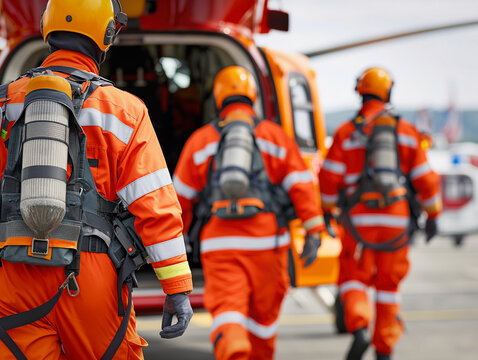
Responding When Every Second Counts
Emergency response focuses on the immediate actions taken during the earliest stages of an incident. These initial moments are crucial, as delays or confusion can lead to greater damage, extended downtime, and increased safety risks. A structured response ensures fast decision-making and coordinated action.
Organizations with clearly defined emergency response plans are better equipped to manage high-pressure situations. Early incident detection, rapid assessment, and effective communication help contain threats before they escalate into full-scale crises.
A well-prepared emergency response can be the difference between a controlled incident and a prolonged disruption with lasting consequences.
Safety is always the top priority during any emergency. Response procedures should clearly outline immediate actions such as evacuation, containment, system shutdowns, or coordination with emergency services to protect people and critical assets.
Effective emergency response also relies on preparation. Regular training, drills, and simulations help teams understand their roles, reduce panic, and respond with confidence when real incidents occur.
- Rapid Incident Identification and Initial Assessment
- Clear Command Structure and Communication Protocols
- Immediate Actions to Protect People and Facilities
- Coordination with Emergency Services and Partners
- Stabilization to Enable Recovery and Restoration
Once an incident is stabilized, organizations can transition smoothly into recovery efforts. A strong emergency response framework reduces losses, shortens downtime, and builds long-term resilience by ensuring lessons learned are incorporated into future preparedness planning.